
Reviewed · KHOR VIRAP & NORAVANK DAY TRIPS
Vayots Dzor Areni Wine Route
The oldest winery found so far is tied to a cave in Armenia’s Vayots Dzor region, where evidence points to winemaking about 6,000 years ago. This private day trip connects that remarkable site with two modern wineries and the red-rock setting of Noravank Monastery.
I like the private vehicle, which keeps the long ride from Yerevan comfortable and gives your group a guide’s personal attention. I also like the balance of archaeology, wine, and architecture, rather than spending the entire day in tasting rooms. The main drawback is the price: at $192 per person, this is a serious splurge unless you value private transport and a tailored outing.
Key points to know before you book
- A 6,000-year-old wine site: The T’rchuneri, or Bird, Cave contains evidence of an ancient wine press, seeds, stems, and red-wine coloring compounds.
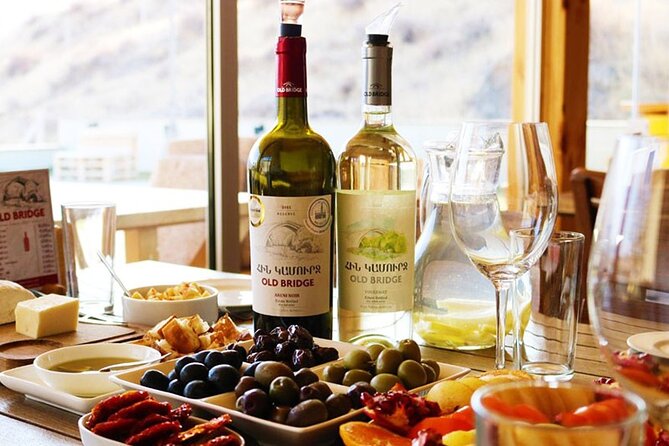
- Two winery visits: Momik Wines and Old Bridge Winery each include a tour and wine tasting.
- Noravank adds a major cultural stop: You get 45 minutes at a 13th-century monastery set above the Amaghu River.
- Private from start to finish: Only your group participates, with transport in a private vehicle and a guide.
- A full day from Yerevan: The stated duration is about 6 to 8 hours, with a 10:00 am start.
- Booking reliability deserves attention: One customer reported a complete no-show and said the operator had not received the booking. The provider apologized and said the matter had been raised with Viator, so confirm your reservation before departure.
Why Vayots Dzor makes a better wine day than a city tasting
Armenia’s wine story is not confined to a polished tasting room. In Vayots Dzor, you see the connection between ancient cave production, mountain vineyards, village wineries, and religious monuments. That gives the day more substance than a simple drive out for a few glasses.
The region is reached from Yerevan by private vehicle, and the journey is part of the experience. You leave the capital behind and spend the day in a quieter part of Armenia, where the wine route is tied to the places that made it possible. The tour is designed for a single group, so you do not have to fit your plans around strangers or a large coach.
The guide is an important part of the value. The tour promises personal instruction about Armenian wine and the region’s winemaking traditions, but no guide’s name is provided in the information available. If you care about a particular language or wine background, ask before booking.
The schedule begins at 10:00 am and lasts roughly 6 to 8 hours. That is long enough for the four listed stops, though the precise order and time on the road may affect how leisurely the day feels. You should think of this as a full excursion, not a quick half-day tasting.
More Khor Virap and Noravank trips:
- Group tour: Khor Virap, Noravank, Areni Winery and Cave
★ 5.0 · 651 reviews - Group Tour: Khor Virap, Noravank, Tatev monasteries (wayback on Ropeway)
★ 5.0 · 506 reviews - Group Tour: Khor Virap, Garni temple, Geghard, Lavash baking
★ 5.0 · 333 reviews
T’rchuneri Cave and the first winemaking evidence
The first stop is called T’rchuneri, or Bird, Cave. The description also refers to Areni Cave, so you may see both names used for the same archaeological area. Allow about 30 minutes, with admission included.
For a long time, the caves in this part of Armenia were treated as ordinary hollows. Children played inside them, but their greater purpose was not understood. Excavations begun in 2007 changed that picture. Archaeologists uncovered large complexes suggesting that the cave served religious and economic purposes, not simply as shelter.
The key find was a wine press. One chamber contained a hard surface shaped to drain liquid into a jug. Seeds and stems were found nearby, along with the compound that gives red wine its color. Taken together, these traces led scientists to conclude that wine was being made here about 6,000 years ago.
That date gives the whole outing a useful anchor. You are not just hearing a general claim that Armenia has old wine traditions. You are visiting a place connected to physical evidence of ancient production. The stop is short, however, so you should not expect a long archaeological lecture or an extended cave exploration. Its value comes from the story and the site itself, not from a large museum-style visit.
Admission is included, which keeps the stop simple. Wear sensible shoes if your footing is affected by uneven cave surfaces, though the supplied information does not specify the conditions inside. Your guide should help turn the archaeological remains into a clear story about how wine was pressed, collected, and stored.
Momik Wines brings the story into the present
At Momik Wines, you spend about an hour on a winery tour and tasting. This is the first place where the ancient evidence becomes a present-day experience. After seeing where early wine production may have taken place, you can learn how a local producer presents Armenia’s wine today.
The hour is a useful length. It allows time for an explanation of the winery, followed by tasting, without turning the day into a drawn-out cellar visit. Your private guide can also help connect what you taste with the broader regional story, though the exact wines served are not specified.
I like the placement of a modern winery after the cave. The sequence gives the day a clear shape: first the archaeological foundation, then wine as a living local product. It also lets you compare an ancient production site with a working business rather than treating the cave as an isolated curiosity.
You should ask about the tasting format if you need to plan around dietary restrictions, alcohol limits, or purchases. The available details confirm that wine tasting is included, but they do not say how many wines are poured, whether food is served, or whether bottles can be bought on site.
Noravank Monastery and the red cliffs of Amaghu
Noravank gets 45 minutes, and admission is free. That makes it a strong cultural pause between the winery visits. The monastery sits on a ledge in a narrow winding gorge above the Amaghu River, near Yeghegnadzor.
Noravank means New Monastery in Armenian, though the name now belongs to a complex more than seven centuries old. It was built in the 13th century, and its restrained church architecture looks especially striking against the sharp red cliffs around it.
The setting is the reason this stop earns its place on a wine route. You are not moving from one indoor tasting to another. The monastery provides time outdoors, a change of pace, and a look at the religious architecture that shaped the region. The red stone and narrow gorge also make this one of the more memorable photo stops of the day.
Noravank is sometimes called Amagu Noravank, after a small settlement that once stood above the gorge. That name helps distinguish it from another Noravank Monastery near Goris. If you search for directions or local information, using the Amagu name can help avoid confusion.
Forty-five minutes is enough to see the complex and absorb the setting, but not enough for a slow, detailed architectural study. If Noravank is your main reason for visiting Armenia, you may want a tour that gives it more time. Here, it works best as a carefully chosen stop within a broader regional day.
A few more Yerevan days to weigh up
- Khor Virap, Noravank & Birds’ Cave Day Trip with Wine Tasting
★ 5.0 · 320 reviews - Tatev & Shaki Waterfall Guided Group Tour with Wine Tasting
★ 5.0 · 266 reviews - Group Tour: Lake Sevan, Hayravank, Noratus, Jermuk, winery
★ 5.0 · 256 reviews - Group Tour: Hin Areni Winery, Tatev (wayback on Ropeway), Khndzoresk Caves
★ 5.0 · 192 reviews
Old Bridge Winery closes the tasting route
The final listed stop is Old Bridge Winery, with about 45 minutes for a tour and wine tasting. By this point, you have already seen the ancient cave and tasted at Momik Wines, so the second winery gives you a chance to compare two local producers.
The shorter visit means you should expect a focused introduction rather than a long cellar program. The practical advantage is variety. Instead of putting the full wine experience in one location, the itinerary spreads it across two wineries, which can give you a better sense of how different producers present Vayots Dzor wine.
The information does not identify the exact wines, vineyard size, winemaking methods, or tasting pours at Old Bridge Winery. I would not book this expecting a technical masterclass in grape varieties. Book it for the chance to taste local wine in the region where it is made, with your guide adding context along the way.
Because this is the last stop, think about pacing. Two tastings plus a private drive can make for a full day. You can ask your guide to keep the tasting portions comfortable and the explanations useful rather than rushing through a checklist of glasses.
What the $192 price means in practical terms
At $192 per person, the tour is expensive compared with a basic group outing. The price makes more sense if you are traveling as a small private party and want transport from Yerevan, a guide, admission to the cave, two winery tours, and both tastings arranged in one day.
Private touring has a real benefit here. Vayots Dzor is outside Yerevan, and arranging several rural stops independently can take time. A private vehicle removes the need to coordinate separate transport, while a private group lets you ask questions and adjust the pace within the limits of the schedule.
Group discounts are offered, but no discount amount or group size is stated. Ask for the exact total before booking. A larger party may find the per-person cost easier to justify, while a solo visitor or couple will need to place a higher value on privacy.
Noravank’s admission is free, while the cave and winery admissions are included. Those inclusions are convenient, but they do not by themselves make the price a bargain. The strongest value comes from the combination of private driving, local guidance, and a full regional program in one day.
Who will get the most from this private outing
I would recommend this experience to you if you want Armenian wine presented with archaeology and culture, not just a tasting menu. It suits couples, families, and small groups who prefer a private vehicle and do not want to share the day with a large party.
It is also a good fit if you are staying in Yerevan but do not plan to rent a car. The private transport makes it possible to reach the cave, wineries, and Noravank without managing the route yourself.
Wine enthusiasts should keep their expectations measured. The experience promises tastings and regional background, but it does not provide a detailed list of producers, grape varieties, vintages, or food pairings. If you want a highly technical wine course, look for those details before paying.
The cave may interest history-minded visitors, but the stop lasts only 30 minutes. Noravank is visually impressive, though its 45-minute visit is also limited. This tour is best for you if you want several strong highlights in one day rather than a slow examination of one site.
The booking record also deserves a practical check. One customer reported that the tour operator did not appear and that the company had not received the reservation, despite payment through Viator. The provider apologized and said it had escalated the issue with Viator. That does not prove a continuing problem, but I would confirm the pickup and booking directly before the morning of your trip.
Timing, pickup, and cancellation details
Pickup is offered, and the listed start time is 10:00 am. The exact pickup point is not specified, so confirm where the vehicle will meet you in Yerevan and how you will identify the driver or guide.
Confirmation is supposed to arrive at booking, and most people can participate. The activity is private, meaning only your own group takes part. No special accessibility details are provided, so ask directly if you need information about the vehicle, cave entrance, monastery grounds, or walking surfaces.
Free cancellation applies if you cancel at least 24 hours before the local start time. A cancellation made within 24 hours is not refunded, and changes inside that period are not accepted. That policy matters here because the tour begins at a fixed morning hour and involves advance coordination with a private vehicle and rural wineries.
Should you book the Vayots Dzor Wine Route?
Book it if you want the best mix of wine, archaeology, and scenery outside Yerevan, and if private transport is worth the higher price. The cave gives the day a rare historical hook, Momik Wines and Old Bridge Winery provide two tasting settings, and Noravank keeps the outing from feeling like a chain of cellar visits.
Think twice if you are watching your budget, want a detailed wine curriculum, or prefer to linger at one monastery or winery. The itinerary covers a lot in 6 to 8 hours, so each stop is purposeful but fairly short.
Before paying, confirm the reservation, pickup details, and what the tastings include. With that check completed, this is a well-shaped private day for you to see why Vayots Dzor matters to Armenia’s wine story.
FAQ
Where does the Vayots Dzor Wine Route begin?
The experience begins in Yerevan, with a listed start time of 10:00 am. Pickup is offered, but the exact meeting location is not specified.
How long does the tour last?
The tour lasts approximately 6 to 8 hours.
Is the tour private?
Yes. Only your group participates in the activity, and transport is provided in a private vehicle.
What is the price?
The listed price is $192 per person. Group discounts are available, but the discount amount is not specified.
Which wineries are included?
The tour includes Momik Wines and Old Bridge Winery. Both stops include a winery tour and wine tasting.
Is wine tasting included in the price?
Yes. Admission is included at both Momik Wines and Old Bridge Winery, and each stop includes a wine tasting.
Is admission to Noravank Monastery included?
Noravank Monastery has free admission. The visit lasts about 45 minutes.
What is the cancellation policy?
You can cancel at least 24 hours before the local start time for a full refund. Cancellations or changes made within 24 hours are not accepted and are not refunded.
Just added around Yerevan
- Private tour to Khor Virap, Areni winery, Noravank, Selim pass, Hayravank★ 5.0 · 3 reviews
- Private tour to Gyumri, Dzitoghtsyan Museum, Black Fortress★ 5.0 · 3 reviews
- Private Tour: Tsaghkadzor, Ropeway, Kecharis Monastery, Sevan Lake, Sevanavank★ 5.0 · 3 reviews
- Private tour to Garni, Geghard, Sevan (Sevanavank), Dilijan (Haghartsin)★ 5.0 · 3 reviews
- Private Tour: Lake Sevan, Sevanavank★ 4.5 · 3 reviews
- Tsitsernakaber-Hripsime-Echmiatsin-Noy brandy factory★ 4.5 · 3 reviews
- Secret Spots Of Armenia Day Private Tour★ 5.0 · 3 reviews
- Day Trip to Tatev Monastery★ 4.5 · 3 reviews
Khor Virap & Noravank Day Trips, compared.
Group tour: Khor Virap, Noravank, Areni Winery and Cave
Read our review →
Group Tour: Khor Virap, Noravank, Tatev monasteries (wayback on Ropeway)
Read our review →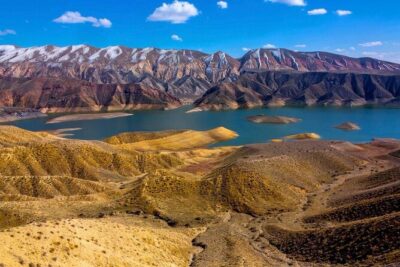
Group Tour: Khor Virap, Garni temple, Geghard, Lavash baking
Read our review →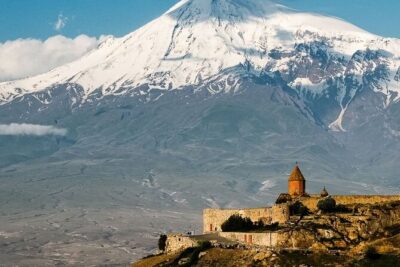
Khor Virap, Noravank & Birds’ Cave Day Trip with Wine Tasting
Read our review →
Private 7-8-hour Khor Virap, Garni temple & Geghard monastery trip from Yerevan
Read our review →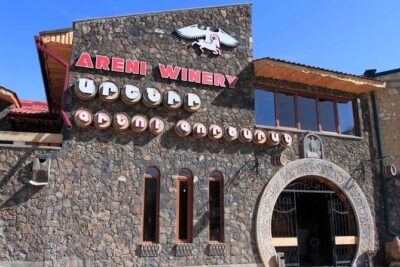
Guided tour: Khor Virap, Noravank Monastery, Areni, Jermuk
Read our review →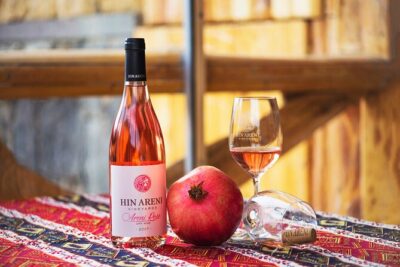
Group Tour: Hin Areni Winery, Tatev (wayback on Ropeway), Khndzoresk Caves
Read our review →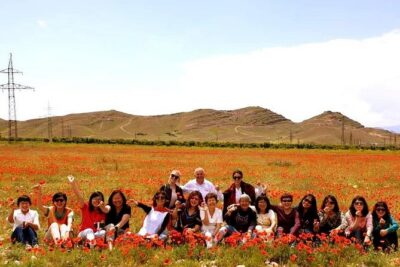
Group Tour: Shaki waterfall, Tatev monastery & ropeway, Hin Areni winery
Read our review →Browse the lists this tour appears in