
Reviewed · KHOR VIRAP & NORAVANK DAY TRIPS
Guided tour: Khor Virap, Noravank Monastery, Areni, Jermuk
Khor Virap gives you Armenia’s most famous mountain view, while Noravank brings a striking medieval monastery into a canyon of red rock. Add Jermuk’s waterfall and Areni wine, and you get a full picture of southern Armenia in one long day.
I like the excellent mix of culture and scenery, and I like that the guide gives you time to explore on your own for photos. Guides such as Hasmik, Harut, Nina, and Lucy have been singled out for clear English, warm manners, and strong storytelling.
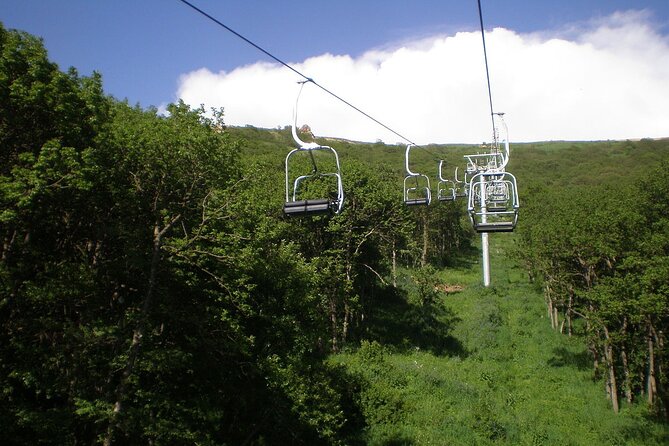
The catch is the clock. This is an 11 to 12-hour outing with several long road sections, and the later Jermuk stops may feel less rewarding than the two monasteries. A ropeway ride costs extra and is optional.
Key points to know before booking
- Mount Ararat from Khor Virap: The clearest views come when the weather cooperates, so this is a scenic highlight with no guarantee of a perfect mountain view.
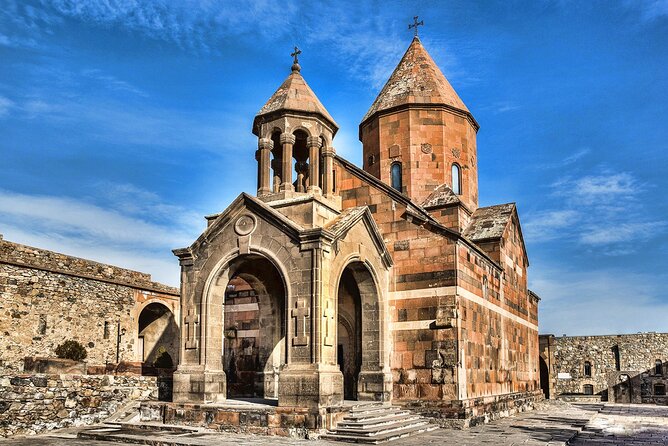
- Noravank is the day’s architectural star: Its red-stone buildings and red cliffs make this the strongest monastery stop.
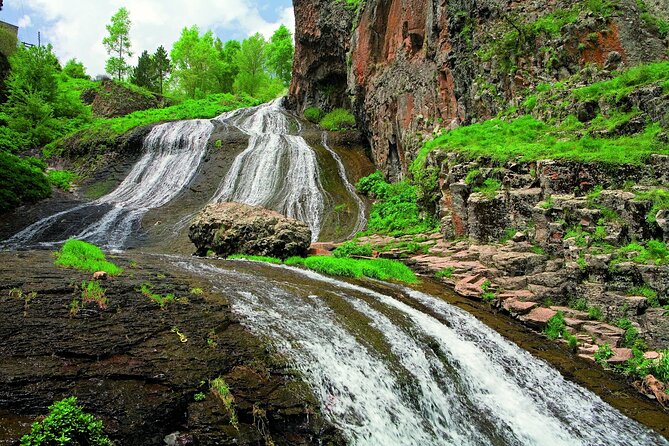
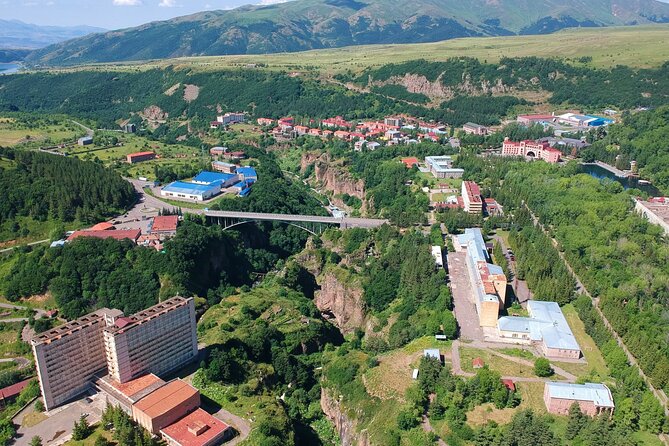
- Jermuk adds nature and resort-town sights: You have about two hours, including the 68 to 70-meter Mermaid’s Braids waterfall.
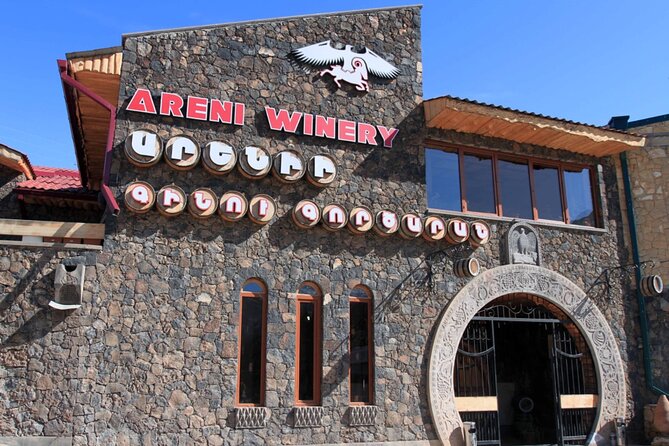
- Areni means Armenian wine tasting: The stop includes wine samples, a cellar visit, and access to an upstairs cafe.
- Small enough to stay manageable: The group is capped at 20 people, with air-conditioned transport from central Yerevan.
- Budget-friendly, but not all-inclusive: The $35 price covers the guide and vehicle. Food and the $6 Jermuk ropeway ticket cost extra.
Why this southern Armenia day trip works
This tour succeeds because it links four very different parts of Armenia’s Vayots Dzor region. You begin with Christian history and a view toward Mount Ararat, continue to a medieval monastery, pause in a spa town with a waterfall, then finish among vineyards and wine cellars.
That variety matters. A day focused only on monasteries can begin to feel repetitive, while a trip focused only on nature misses the cultural heart of Armenia. Here, the changes in scenery keep the drive interesting, even when the schedule feels full.
At $35 per person, the value is strong. The price includes an English-speaking professional guide and air-conditioned transportation, which removes the trouble of arranging a car, learning the roads, and fitting distant sights together. You still pay for food and the optional ropeway, but the core sightseeing costs very little.
The group can include up to 20 people. That is not private-tour intimacy, yet it is small enough for a guide to manage with clear meeting times and reminders. The best guides, including Hasmik, Harut, Lucy, and Nina, have been praised for handling multilingual groups, sometimes switching between English, Russian, and other languages.
More Khor Virap and Noravank trips:
- Group tour: Khor Virap, Noravank, Areni Winery and Cave
★ 5.0 · 651 reviews - Group Tour: Khor Virap, Noravank, Tatev monasteries (wayback on Ropeway)
★ 5.0 · 506 reviews - Group Tour: Khor Virap, Garni temple, Geghard, Lavash baking
★ 5.0 · 333 reviews
Khor Virap and the story beneath the monastery
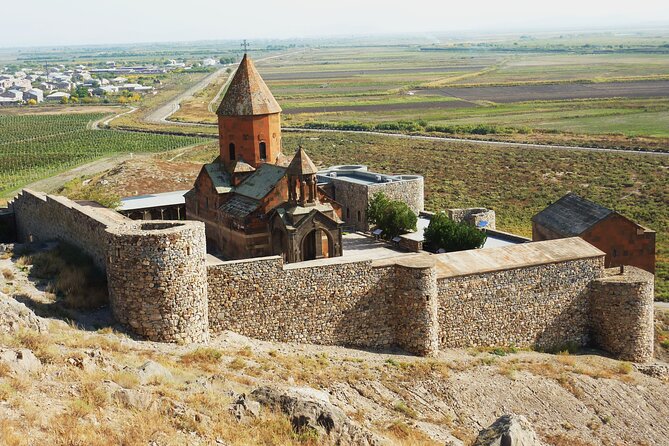
Khor Virap is the first stop, usually reached after leaving Yerevan at 8:00 in the morning. You have about an hour here, and that is enough to see the monastery, hear its central story, and take in the view.
The site is tied to Grigor, later known as Saint Gregory the Illuminator. According to the account shared on the tour, he was imprisoned here for 13 years because of his Christian faith. He was eventually brought out to treat a sick king. After Grigor cured him, the king accepted Christianity as Armenia’s state religion in 301.
That story gives the site weight beyond its stone walls. Armenia is widely recognized as the first country to adopt Christianity as a state religion, and Khor Virap lets you connect that national story to one very specific place.
The setting is just as important. Khor Virap sits close to Mount Ararat, and from here you can see the mountain’s broad form when the weather is clear. The view is one of the strongest reasons to take this tour. Bring your camera, but keep expectations sensible: mountain weather can hide the summit.
Your guide will lead the main explanation, then you typically have time to walk around and take pictures. This balance is useful. You get context without spending the entire stop standing in one place listening.
Noravank in the red-rock canyon
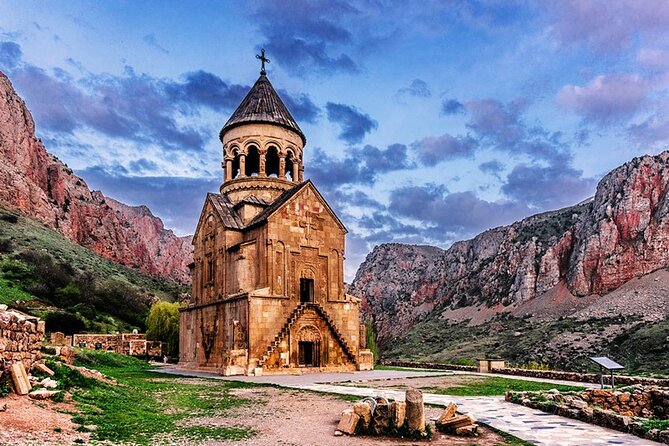
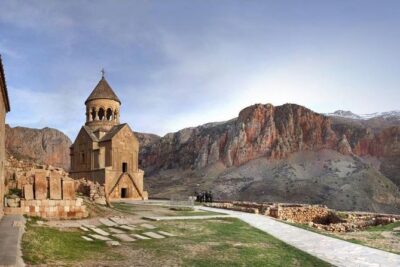
Noravank is the tour’s architectural high point. The monastery was founded in the ninth century and expanded during the 13th and 14th centuries. Its buildings use stone taken from the surrounding red cliffs, creating a close visual link between the monastery and its setting.
You have about an hour here. That is enough for a guided look at the complex and time to explore independently, though you should not expect a slow, scholarly visit to every corner.
The approach is part of the appeal. The road leads into a canyon framed by tall red-colored mountains. Noravank does not feel like an isolated monument placed in an unrelated setting. Its stonework and surrounding rock seem made for one another.
I would pay close attention to the carved details and the unusual facade of the main church. Your guide can explain the medieval design and local traditions, which makes the visit more meaningful than a quick photo stop.
Noravank is also where the schedule feels most efficient. The tour gives you enough time for the key sights without allowing the stop to expand into a long, unfocused visit. If you have to choose the monastery that deserves your full attention, make it this one.
Areni, wine, and the taste of the region
Areni is known here as a center of Armenian winemaking, and the visit to Areni Wine Factory adds a social, hands-on part to the day. Wine tasting is included, with samples of several Armenian wines, including varieties made from Areni grapes.
You also see the cellar where the wine is stored. An upstairs cafe provides another place to pause, although the meal arrangements on this full-day tour are practical rather than especially intimate. The lunch stop has been described as a food-court-style setting by one person, while another found the restaurant acceptable and reasonably priced.
That is useful context. You should think of the food break as fuel during a busy day, not as a carefully planned culinary event. Lunch and the dinner break on the return to Yerevan are at your own expense.
Areni wine is valuable here because it gives you a direct connection to local agriculture and regional identity. You are not just looking at old stone buildings. You are tasting something produced in the same broad region you have been crossing.
If wine is not your interest, the stop may feel less essential than Khor Virap or Noravank. Still, it breaks up the historical sightseeing and gives the group a relaxed place to gather before the final part of the route.
A few more Yerevan days to weigh up
- Group Tour: Garni, Symphony of Stones, Geghard, Lavash Baking
★ 5.0 · 1,042 reviews - Group Tour: Lake Sevan (Sevanavank), Dilijan (Goshavank, Haghartsin)
★ 5.0 · 1,036 reviews - Yerevan: Garni, Geghard, Symphony of Stones & Lavash Baking
★ 5.0 · 589 reviews - Group Tour: Tsaghkadzor (Kecharis, Ropeway), Lake Sevan, Trout barbecue treat
★ 5.0 · 511 reviews
Jermuk waterfall and the optional ropeway
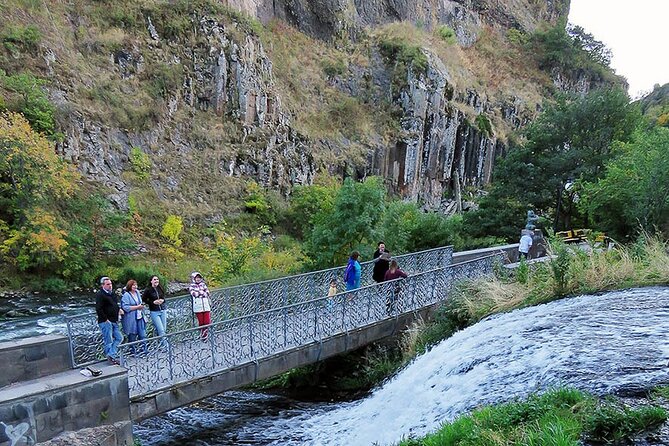
Jermuk receives about two hours, making it the longest stop. The main natural sight is Mermaid’s Braids, a waterfall described as 68 to 70 meters high. Its Armenian legend tells of a prince who cursed his daughter after she met her lover. She turned to stone, while her hair continued to flow as water.
The story is a good example of how the tour combines local folklore with scenery. You can enjoy the waterfall as a physical sight, then understand why it carries such a memorable name.
The waterfall itself has divided opinion. Some people consider it the highlight of Jermuk, while others find it less impressive than the monasteries. I would keep your expectations measured. Jermuk is not the reason to book this trip on its own, but it adds a welcome change after the monastery visits.
The Jermuk ropeway is optional and costs $6 per person. It can provide a high view over the town and surrounding area, and some people consider that view worth the extra charge. Others find the cable car stop makes an already long day feel longer.
My advice is simple: decide based on your energy, the weather, and your interest in elevated views. You do not need to take the ropeway to complete the tour. If you are tired by this point, spend the time near the waterfall or use the break to rest.
Jermuk can also feel seasonal. The town’s appeal may be lower outside the warmer months, particularly if you are expecting a major natural spectacle. The waterfall remains the main reason to pay attention here.
What the road time feels like
This is a road trip, not a compact city excursion. The air-conditioned vehicle is a major part of the value because the route covers a great deal of ground and may take close to 12 hours from start to finish.
Most feedback about the driving is positive. Drivers such as Hakob, Jacob, Ruben, Edgar, Gregory, Norik, and Artur have been praised for safe driving and professional service. One negative account described a poorly maintained vehicle, repeated breakdowns, and ineffective air conditioning during a 40-degree day. That appears to be an exception, but it is worth keeping in mind when choosing a long group tour.
The tour normally leaves from Komitas Yerevan State Conservatory at 1a Sayat-Nova Avenue and returns there. You should arrive ready for a full day, with comfortable clothing, water, and enough patience for scheduled stops.
The pacing is generally a strength. You see several major places without spending an entire day at only one site. The trade-off is limited free time. If you want long shopping breaks, extended meals, or hours for quiet photography, this group schedule may feel tight.
Some guides add small touches that make the road time easier. Lucy has been praised for keeping return times organized and for making an unscheduled sunset photo stop near Mount Ararat. Hasmik was also noted for personal attention, clear explanations, and adapting the bus atmosphere to the group.
The guide makes the largest difference
The sights are fixed, but the quality of the day depends heavily on the guide. Strong guides explain Armenia’s history in plain English, handle the group calmly, and give you enough free time to explore without losing the schedule.
Hasmik is repeatedly associated with clear storytelling, warm hospitality, and the ability to move between two or three languages. Harut has been praised for humor, language skills, and keeping an international group connected. Nina, Lucy, Ana, Mari, Tamara, Yeger, Anahit, and Jasmin have also received positive comments for friendly and informative guiding.
The guide’s practical role matters as much as the history talk. You need reminders about belongings, meeting points, and departure times. You also need someone who can explain changes when a stop runs late.
There has been at least one complaint about a late start and poor communication before departure. The issue was addressed by the operator, but punctuality matters on a day with this many stops. If the tour begins late, the final stops are the most likely to feel rushed.
Food, extras, and what to bring
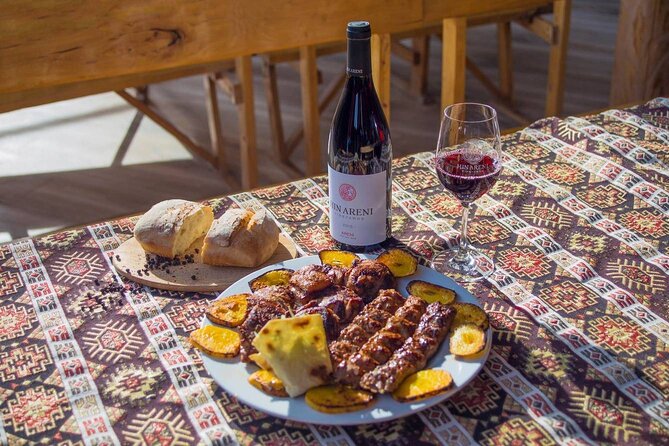
The $35 fare does not cover snacks, lunch, or dinner. You have the chance to buy Armenian gata, a fragrant sweet pastry, in the morning or during the day. Branded water is also mentioned as available for the journey.
The wine tasting is included, but any additional purchases at the factory are not stated as included. The Jermuk ropeway is clearly extra at $6.
I would bring a small amount of cash for food and optional purchases, though the exact payment arrangements are not specified. More important, bring water, sun protection, and a phone or camera. The day includes open viewpoints, monastery grounds, and long stretches in the vehicle.
The stops are free to enter according to the supplied details, aside from the optional ropeway. That keeps the advertised price honest and makes this a particularly good deal for anyone trying to see several southern Armenian sights without hiring a private car.
Who should book this tour
I recommend this trip if you have limited time in Armenia and want a strong first look beyond Yerevan. It suits you if you enjoy history, mountain views, religious architecture, local stories, and a wine tasting in the same day.
It is also a good fit for solo visitors who want organized transport and the company of a small group. The maximum of 20 people keeps the outing more personal than a large coach tour, while the free time at several stops lets you wander independently.
Families and mixed-age groups can manage the itinerary, but the day is long. Children may enjoy the waterfall and mountain views more than the historical explanations. The vehicle’s condition and air conditioning are worth confirming close to departure, especially during very hot weather.
You may want a different format if you dislike fixed schedules or prefer slow meals. One person found the breaks too short, and another felt the lunch stop lacked local character. A private tour would give you more control, but it would not match the $35 price.
Free cancellation is available up to 24 hours before the start time. The tour also requires a minimum number of participants, so a cancellation for low demand may result in another date, another experience, or a full refund.
Should you book this $35 Armenia day trip?
Yes, if you want maximum variety for a modest price. Khor Virap and Noravank alone make the route worthwhile, and Jermuk plus Areni add nature and regional flavor rather than simply repeating the same type of sight.
Book it with the right expectations. This is a long, structured day, not a leisurely private journey. Treat the ropeway as optional, keep lunch expectations practical, and choose a clear-weather date if Mount Ararat is a priority.
For most first-time visitors based in Yerevan, I think the combination is hard to beat at this price. The best guides bring the history to life, the transport saves you considerable planning, and the route gives you a memorable look at Armenia beyond the capital.
FAQ
How long does the tour last?
The tour lasts approximately 11 to 12 hours. It begins at 8:00 am and returns to the meeting point in Yerevan.
Where does the tour start?
The meeting point is Komitas Yerevan State Conservatory, 1a Sayat-Nova Avenue, Yerevan 0001, Armenia.
Where does the tour end?
The activity ends back at the starting meeting point in Yerevan.
Is transportation included?
Yes. The tour includes transportation in an air-conditioned vehicle.
Is an English-speaking guide included?
Yes. A professional guide is included, and the experience is offered in English. The specific guide may vary, with guides including Hasmik, Harut, Nina, Lucy, and others assigned to different departures.
Is the Jermuk ropeway included?
No. The Jermuk ropeway costs $6 per person and is optional.
Are meals included?
No. Snacks, lunch, and the dinner break on the return to Yerevan are at your own expense. Armenian gata and branded water may be available during the day.
Can I cancel for a full refund?
Yes. You can cancel up to 24 hours before the experience begins for a full refund. Cancellations or changes made less than 24 hours before the start time are not accepted for a refund.
Just added around Yerevan
- Private tour to Khor Virap, Areni winery, Noravank, Selim pass, Hayravank★ 5.0 · 3 reviews
- Private tour to Gyumri, Dzitoghtsyan Museum, Black Fortress★ 5.0 · 3 reviews
- Private Tour: Tsaghkadzor, Ropeway, Kecharis Monastery, Sevan Lake, Sevanavank★ 5.0 · 3 reviews
- Private tour to Garni, Geghard, Sevan (Sevanavank), Dilijan (Haghartsin)★ 5.0 · 3 reviews
- Private Tour: Lake Sevan, Sevanavank★ 4.5 · 3 reviews
- Tsitsernakaber-Hripsime-Echmiatsin-Noy brandy factory★ 4.5 · 3 reviews
- Secret Spots Of Armenia Day Private Tour★ 5.0 · 3 reviews
- Day Trip to Tatev Monastery★ 4.5 · 3 reviews
Khor Virap & Noravank Day Trips, compared.
Group tour: Khor Virap, Noravank, Areni Winery and Cave
Read our review →
Group Tour: Khor Virap, Noravank, Tatev monasteries (wayback on Ropeway)
Read our review →
Group Tour: Khor Virap, Garni temple, Geghard, Lavash baking
Read our review →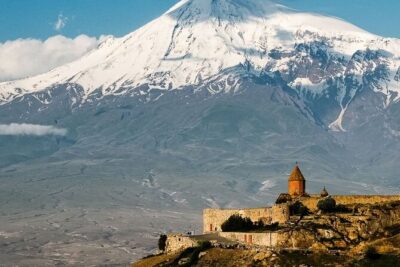
Khor Virap, Noravank & Birds’ Cave Day Trip with Wine Tasting
Read our review →
Private 7-8-hour Khor Virap, Garni temple & Geghard monastery trip from Yerevan
Read our review →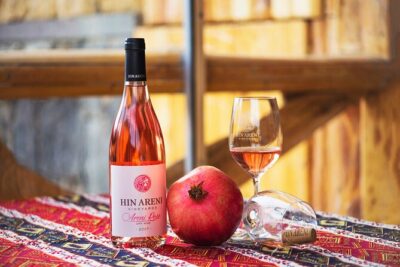
Group Tour: Hin Areni Winery, Tatev (wayback on Ropeway), Khndzoresk Caves
Read our review →
Group Tour: Shaki waterfall, Tatev monastery & ropeway, Hin Areni winery
Read our review →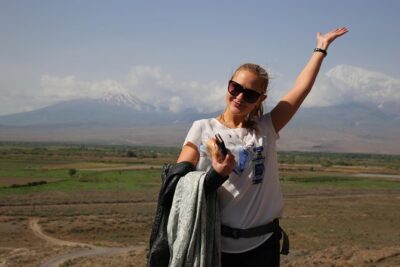
Private Full-Day Trip to Khor Virap – Noravank – Tatev-ropeway from Yerevan
Read our review →Browse the lists this tour appears in