

Reviewed · YEREVAN TOURS
Yerevan Card Including Free 30+ Museums, 5+ Tours & Discounts
Yerevan’s best value may be a small card that opens a very large door: more than 30 museums, free public transport, selected tours, and even a one-way airport transfer for $40. I especially like the freedom to choose between major sights such as Matenadaran, Garni Temple, and the History Museum, then switch to a small house museum when your energy drops.
I also like the practical extras: a 7 GB SIM card, city map, guidebook, and help from the Yerevan Card office. Arev and Lilet have arranged city bus tours, the ARARAT brandy visit, Garni and Geghard outings, airport transfers, and even a shared taxi to another Armenian city. The catch is that the card only pays off if you use it often, and many museums close on Mondays.
Key points to know before buying
- One card covers culture and transport: You get free entry to more than 30 museums, public transportation including the metro, and selected attractions.
- The $40 price rewards a busy schedule: A few museums, one or two tours, and transport can make the pass worthwhile during a multi-day stay.
- Garni and Zvartnots are included: You can visit Armenia’s only surviving pagan temple and the UNESCO-listed Zvartnots site without separate admission charges.
- The support service is useful: Arev and Lilet can help arrange tours and transfers through WhatsApp and phone calls.
- Activation starts the clock: The card begins counting down only after it is scanned at a museum or by a staff member.
- The 12-month card has a special use: An unlimited-time card remains valid for 12 months after activation, though the card is personal and cannot be transferred.
Why the Yerevan Card can pay for itself
At $40 per person, this is not a card I would buy automatically. I would first look at my schedule. If you plan to visit only one museum and spend your days walking, the value is weak. If you plan to see several museums, take public transport, join one of the included tours, and use the airport transfer, the arithmetic improves quickly.
The card includes free entry to more than 30 museums and attractions. That matters in Yerevan because the choices are not limited to one large national museum. You can visit ancient manuscripts in the morning, look at modern art after lunch, and spend another day with Armenian composers, poets, carpet makers, or archaeological sites.
You also receive free public transportation, including the metro. That is a useful saving and makes it easier to reach museums away from the central streets. The free airport transfer applies one way, so you need to decide whether arrival or departure is more useful.
The extra benefits add up in a different way. A free Hop On Hop Off bus tour gives you a quick city overview. The card also includes a 30-minute scooter ride or a 95-minute bicycle ride with Yerevan Ride, plus 3,000 AMD coupons for Buy.am, 4u.am, and an online Armenian store.
Do not treat every coupon as cash in your pocket. Their value depends on whether you planned to use those services anyway. The surest savings come from museums, transit, and tours.
A few more Yerevan days to weigh up
- Group Tour: Gyumri (Urban Life museum, Black fortress, old town), Harichavank
★ 5.0 · 280 reviews - Group Tour: Sightseeing in Yerevan, Erebuni Museum and Fortress
★ 5.0 · 42 reviews - Private Yerevan City Tour: Erebuni, Matenadaran & Tsitsernakaberd Museums
★ 5.0 · 34 reviews
How activation and pass length work
The card is available for periods from one day to 365 days. The important detail is that the clock does not necessarily start when you pick it up or buy it. It starts after the card owner or a museum employee scans it with a card reader.
Once activated, it counts down the number of hours attached to your chosen card type. When that time ends, the free admissions stop. Discounts and special offers remain available for a full year.
The unlimited-time version works differently. It remains valid for 12 months after activation. That is useful if you expect to return to Yerevan or want to spread museum visits over separate trips.
The card is for individual use only. After activation, it cannot be returned, transferred to another person, or exchanged. Plan your first scan carefully, especially if you have bought a short-duration option.
Matenadaran, the National Gallery, and the city’s main museums
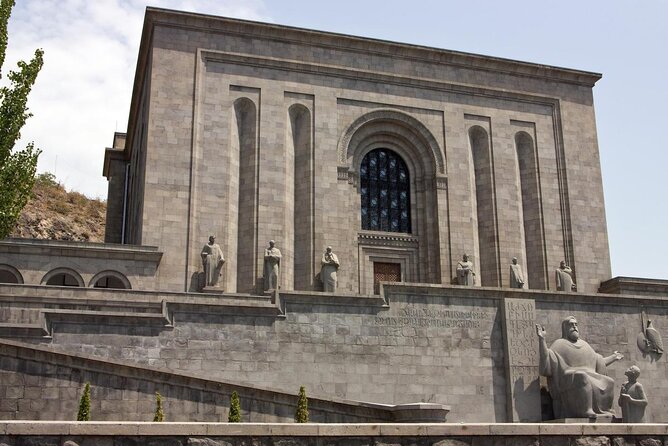
Start with Matenadaran, the Museum of Ancient Manuscripts. Its collection presents Armenian manuscript culture and is registered in UNESCO’s World Network of Memory. Allow about an hour, and use the guidebook to understand which parts of the collection interest you most.
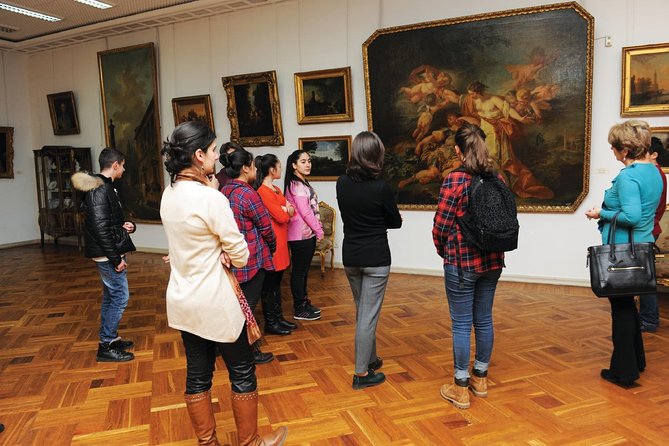
The National Gallery of Armenia gives you a broad art visit. Its collection contains about 40,000 items, with selected works displayed in 55 permanent and temporary exhibition halls. You will need more than a quick glance if you want to cover much of it, but even a shorter visit gives you a good sense of the country’s artistic range.
At the History Museum of Armenia, the star object is an ancient shoe found in Areni, in Vayots Dzor. It was made between 5637 and 5387 years ago, making it one of the most striking objects in Yerevan’s museum collection. I would pair this museum with the National Gallery because both are central, substantial stops.
The Yerevan History Museum focuses on the city itself. Yerevan is described here as Armenia’s 12th capital, founded in 782 BC under the name Erebuni. That date also gives context for the Erebuni Museum, where the city’s early history and archaeology take center stage.
Ancient sites from Erebuni to Zvartnots
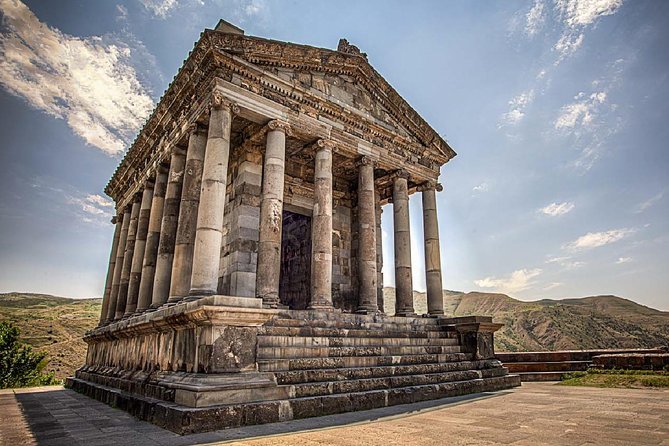
The card reaches beyond indoor museums. At Garni Temple, you see the only surviving pagan temple in Armenia. The visit takes about an hour, and its importance is clear even if you are short on time: this is one of the country’s key links to its pre-Christian past.
The included tour called From Paganism to Christianity gives that change a wider frame. Because some activities need to be booked in advance, contact the support team before you arrive rather than assuming you can join at the last minute.
Zvartnots Temple is a shorter stop, listed at about 30 minutes. It is known for its unusual architecture and has UNESCO World Heritage status as part of the group connected with Echmiadzin and the churches of Vagharshapat. The card includes free admission, but the separate Echmiadzin museum is not covered because it is under church authority.
Erebuni Museum takes about 50 minutes and explains the beginning of Yerevan in 782 BC. For a fuller archaeological day, add Shengavit Settlement, an early agricultural site dated to the fourth and third millennia BC, and Karmir Blur, or Red Hill. Karmir Blur contains the fortified Urartian city of Teishebaini, founded between 685 and 645 BC by King Rusa II.
These sites help you read Yerevan as more than a modern capital. They also require more planning than the central museums, so check transport and opening details through the card’s information service.
Same country, a completely different kind of day out:
- Group Tour: Garni, Symphony of Stones, Geghard, Lavash Baking
★ 5.0 · 1,042 reviews - Group Tour: Lake Sevan (Sevanavank), Dilijan (Goshavank, Haghartsin)
★ 5.0 · 1,036 reviews - Group tour: Khor Virap, Noravank, Areni Winery and Cave
★ 5.0 · 651 reviews - Yerevan: Garni, Geghard, Symphony of Stones & Lavash Baking
★ 5.0 · 589 reviews
Brandy, carpets, chocolate, and Armenian craft
The ARARAT Museum is one of the card’s most appealing non-museum additions. It introduces Armenian brandy and the story of ARARAT as a national symbol. The visit takes about an hour, and the included tour of the ARARAT Brandy Factory adds a more active way to understand the brand.
Megerian Carpet Armenia offers another side of Armenian life. Carpet weaving has been part of Armenian daily life for centuries, and the Megerian family has worked for more than four generations in carpet restoration and production. The card includes a tour of the Megerian Carpet Rug Museum, not just admission to a display.
At TadDin Chocolatier, you can learn about Armenian chocolate and taste it. The visit takes about 30 minutes. It is a small stop, but it breaks up a museum-heavy schedule and gives you a direct taste of local food production.
The card also includes discounts at restaurants and shops. I would see these as useful bonuses rather than the main reason to buy the pass. The strongest food-related value comes from the included chocolate visit and the ARARAT experience.
Yerevan’s painters, writers, and musicians
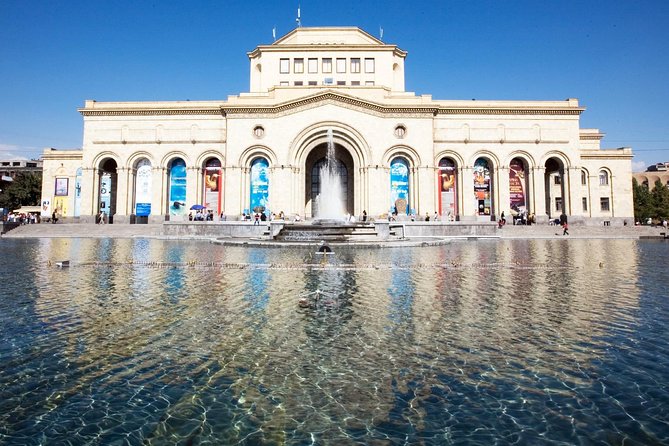
Yerevan has enough specialist museums to keep art lovers busy for days. The Parajanov Museum presents the work of filmmaker, director, writer, and artist Sergey Parajanov. His art draws on local and European traditions, and the museum is one of the city’s most visited cultural stops.
The Ervand Kochar Museum follows the work of a major modern artist and sculptor. Kochar worked in Paris from 1923 to 1936, where his art placed him among important European avant-garde figures. The Modern Art Museum of Yerevan adds a broader view of modernist work. Founded in 1972, it was the only museum of its kind in the region for more than 20 years.
At the Martiros Saryan House Museum, you see the work of the founder of the Armenian school of painting in the home museum created during his lifetime. The collection makes a useful point: painting is not only a record of the world, but also a way to let imagination roam.
The Folk Arts Museum after Hovhannes Sharambeyan covers many forms of Armenian folk creation. It collects, studies, repairs, and promotes folk art. The National Museum-Institute of Architecture of Armenia shifts attention to buildings and architectural engineering.
Literature and music receive equal attention. The Hovhannes Tumanyan Museum is reached by climbing 54 stairs, a number tied to the 54 years the writer lived. The Charents Museum of Literature and Arts covers 300 years in five exhibition rooms, including literature, performing arts, and music.
The Komitas Museum-Institute explores the life and work of the composer, singer, teacher, ethnologist, and musicologist Komitas. The Aram Khachaturian Museum follows another major composer, known for the first Armenian ballet, symphony, concerto, and film music.
You can also visit the house museum of poet Avetik Isahakyan, who lived there during the last decade of his life. The Alexander Spendiaryan House Museum uses personal objects and music to tell the composer’s story. The Ara Sargsyan and Hakob Kojoian House-Museum preserves the former home and work setting of two important Armenian painter-sculptors.
This group is where the card becomes especially valuable for curious visitors. You can visit one small museum for 40 minutes, decide it is not for you, and leave without feeling that you wasted a costly admission.
Smaller collections that reward patient visitors
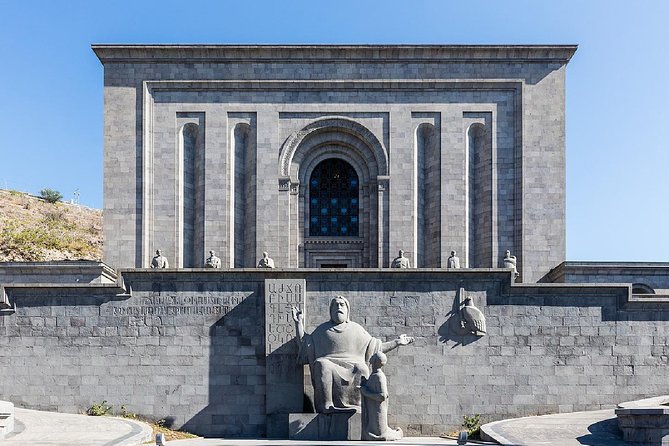
The Museum of Russian Art contains paintings, graphics, sculptures, and other works by artists from the 19th and early 20th centuries. The Geological Museum of Armenia presents mineral maps, rocks, and fossil specimens of animals and plants, with a focus on the country’s natural resources.
The Armenian Genocide Museum covers the annihilation of 1.5 million Armenians in 1915. Give this visit time and attention. It is a serious museum, and its subject calls for more than a quick stop between sightseeing appointments.
The National Museum-Institute of Architecture can help you understand Armenian building traditions, while the Eduard Isabekyan Gallery focuses on the painter’s work. His son donated 28 of Isabekyan’s paintings to Yerevan for the permanent exhibition.
The Victory Park and Statue of Mother Armenia area adds public memory to the cultural schedule. The Military Museum covers the Second World War and the liberation movement of Artsakh. Nearby are the Tomb of the Unknown Soldier, the tomb of Marshal Bagramyan, and other memorials.
For a lighter change of pace, the Yerevan Botanical Garden offers plant collections in the semi-desert zone of Yerevan, including rare and endangered species. Entry to the Yerevan Zoo is free with the card, and you can see and feed the animals.
The garden and zoo are especially useful if you are traveling with children, though the card’s value still depends on how many paid attractions and rides you use elsewhere.
Tours, transport, and help from the card office

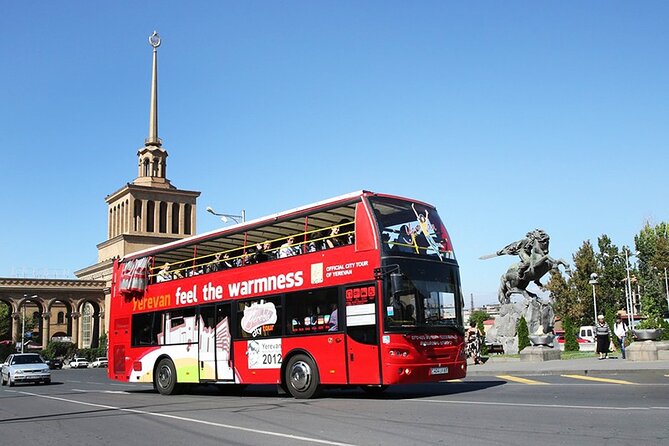
The free Hop On Hop Off Bus Tour is a simple way to get your bearings early in the visit. I would use it near the beginning of a stay, then return to the museums or neighborhoods that caught your attention.
The card includes free public transport and the metro, so you can build your own schedule without paying each time. You also receive a map and guidebook, plus a free SIM card with 7 GB of internet. That combination is practical for checking opening information, contacting the support team, and finding less central museums.
The 24-hour information service is one of the more useful features. Staff members Arev and Lilet helped arrange a city bus tour, a cognac factory tour and tasting, a Garni and Geghard trip, an airport transfer, and a shared taxi to another regional city. They communicated by WhatsApp and phone calls, which is handy when tour times and meeting points change.
The free tours can be booked online or at the operator’s office at 2 Abovyan Street. Some activities require advance booking, so make contact before your planned visit. The airport benefit covers one transfer, not both directions.
With Yerevan Ride, you can choose a free 30-minute scooter ride or a free 95-minute bicycle ride. Pick the option that fits your comfort level and schedule. The card is not only a museum pass, but the cultural admissions remain its clearest strength.
Timing, closures, and who will get the best value
The advertised start time is 8:00 am, but the card itself is flexible once activated. I would not activate it on a day when most of your chosen museums are closed. The main museums are closed on Mondays, a detail that can change the value of a short pass dramatically.
A one-day card suits someone who wants a concentrated cultural sprint. A multi-day pass is better if you want to combine major museums with small collections, a tour, public transport, and a site outside central Yerevan.
The experience is private in the sense that only your group participates in the activity, but the card does not provide a personal museum guide. Museum guides are not included. Food and drinks are also not included.
I would recommend the card most strongly to first-time visitors staying more than a couple of days, people who enjoy museums, and anyone who wants help arranging tours and transfers. It is less useful for someone planning a slow, mostly free walking holiday.
Should you buy the Yerevan Card?
Buy it if you will visit several museums, use the metro or buses, and join at least one included tour. The ARARAT factory, Garni and Zvartnots, the free zoo and garden, and the airport transfer can make the $40 price work well.
Skip it if your plan is limited to a few sights, your visit includes a Monday-heavy schedule, or you prefer to arrange every activity independently. Before paying, count the museums you truly want to see and check which tours need reservations.
The card is best viewed as a flexible cultural pass with a useful help desk, not as a magic ticket to every Armenian attraction. Used with a clear plan, it can save money and make Yerevan easier to navigate.
FAQ
What does the Yerevan Card include?
It includes free entry to more than 30 museums and attractions, public transportation including the metro, a 7 GB SIM card, a guidebook, a city map, a 24-hour information service, selected tours, discounts, and one airport transfer.
How much does the Yerevan Card cost?
The listed price is $40 per person.
How long can the card be valid?
Card options range from one day to 365 days. The unlimited-time card is valid for 12 months after activation.
When does the card start counting down?
The countdown begins when the card owner or a museum employee scans the card using a terminal or card reader.
Can another person use my activated card?
No. The card is for individual use only. After activation, it cannot be transferred, returned, or exchanged.
Are museum guides included?
No. Museum guides are not included. The card provides admission, while food and drinks are also excluded.
Is airport transportation included?
Yes. The card includes one free transfer from or to the airport.
Are museums open every day?
The main museums are closed on Mondays. Some activities also require advance booking, so contact the support team before planning your visits.
Just added around Yerevan
- Private tour to Khor Virap, Areni winery, Noravank, Selim pass, Hayravank★ 5.0 · 3 reviews
- Private tour to Gyumri, Dzitoghtsyan Museum, Black Fortress★ 5.0 · 3 reviews
- Private Tour: Tsaghkadzor, Ropeway, Kecharis Monastery, Sevan Lake, Sevanavank★ 5.0 · 3 reviews
- Private tour to Garni, Geghard, Sevan (Sevanavank), Dilijan (Haghartsin)★ 5.0 · 3 reviews
- Private Tour: Lake Sevan, Sevanavank★ 4.5 · 3 reviews
- Tsitsernakaber-Hripsime-Echmiatsin-Noy brandy factory★ 4.5 · 3 reviews
- Secret Spots Of Armenia Day Private Tour★ 5.0 · 3 reviews
- Day Trip to Tatev Monastery★ 4.5 · 3 reviews
Yerevan Tours, compared.

Group Tour: Garni, Symphony of Stones, Geghard, Lavash Baking
Read our review →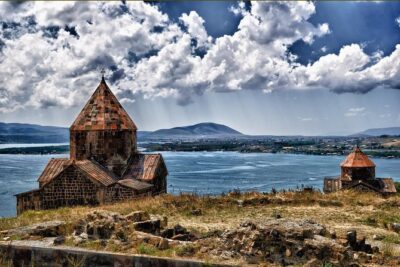
Group Tour: Lake Sevan (Sevanavank), Dilijan (Goshavank, Haghartsin)
Read our review →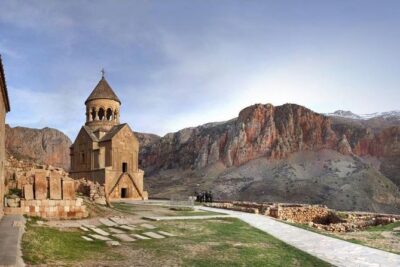
Group tour: Khor Virap, Noravank, Areni Winery and Cave
Read our review →
Group Tour: Tsaghkadzor (Kecharis, Ropeway), Lake Sevan, Trout barbecue treat
Read our review →
Group Tour: Khor Virap, Noravank, Tatev monasteries (wayback on Ropeway)
Read our review →
Sevan, Dilijan, Haghartsin, Goshavank, Lake Parz
Read our review →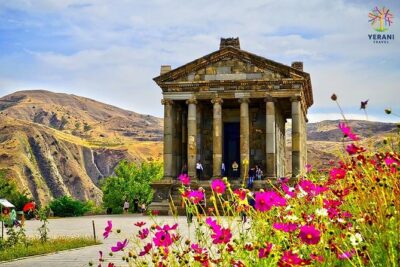
Group Tour: Garni pagan temple, Geghard monastery, Lake Sevan, Sevanavank
Read our review →
Browse the lists this tour appears in