
Reviewed · YEREVAN
Paint Your Own Traditional Doll
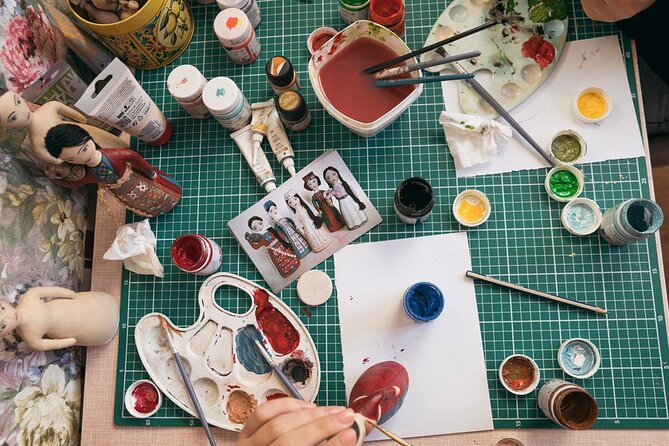
A blank plush doll becomes a small portrait of Armenia in this hands-on Gyumri workshop. With doll maker Narine, you choose a traditional taraz costume, sketch its details, and paint the design using techniques drawn from Armenian miniature art.
I like the personal choice built into the session: you can copy regional dress or invent your own colors and ornaments. I also like the calm, friendly setting, with coffee, tea, snacks, light music, and time to make belts, hats, jewelry, and other accessories while the doll dries.
The main consideration is simple: this is a craft workshop, not a sightseeing tour. If you want a fast activity with lots of city highlights, two hours at a worktable may feel slow. If you enjoy making something with your hands, the $26 price is easy to justify.
Key points at a glance
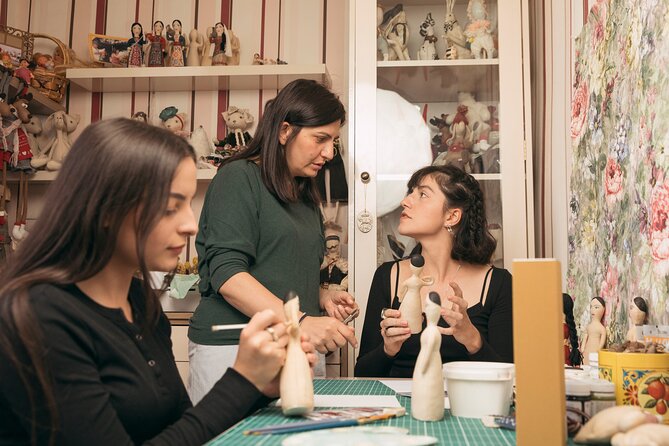
- Choose from Armenian regional costumes: Browse Narine’s large collection of taraz designs before settling on the look for your doll.
- Paint your own keepsake: Sketch directly onto a blank plush doll, then apply the colors and ornaments yourself.
- Learn miniature painting ideas: Narine guides you through traditional Armenian painting methods in a clear, step-by-step way.
- Add tiny finishing details: Use drying time to make belts, hats, jewelry, tools, and other custom accessories.
- Enjoy a private two-hour workshop: Only your group takes part, and the session is offered in English.
- Leave with something personal: Your finished doll carries your own choices rather than being a standard souvenir from a shop.
Starting at Naro Dolls in Gyumri
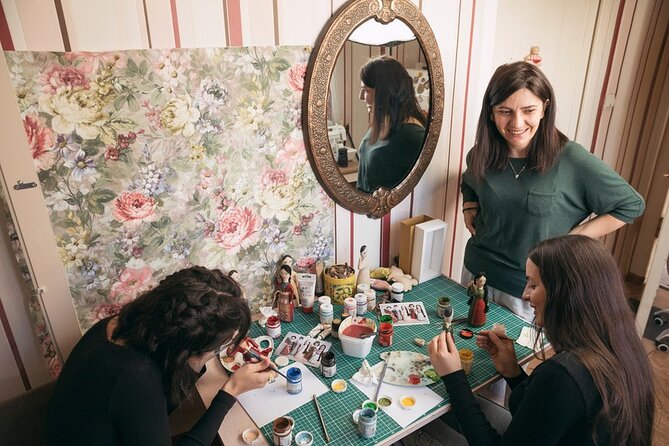
The workshop begins at Naro Dolls, on Gortsaranayin Lane 44a in Gyumri. The activity ends at the same place, so you do not need to arrange a separate pickup or find your way to another part of town afterward.
Gyumri is a fitting setting for this kind of activity. The city is known as Armenia’s cultural capital, and this workshop gives you a direct connection to local art rather than asking you to simply look at objects behind glass. You sit with a maker, handle costume examples, and create a small piece of your own.
The meeting point is near public transportation, which helps if you are moving around Gyumri without a car. A mobile ticket is accepted, and confirmation arrives at booking. Those details are small, but they make the start less stressful, especially if you are fitting the workshop between other plans.
The experience is private. That matters here. Painting requires space, a little patience, and the freedom to ask questions without feeling rushed. A private session also lets your group choose how much time to spend on costume details, color choices, and accessories.
Other Armenia days people book alongside this one:
- Group Tour: Garni, Symphony of Stones, Geghard, Lavash Baking
★ 5.0 · 1,042 reviews - Group Tour: Lake Sevan (Sevanavank), Dilijan (Goshavank, Haghartsin)
★ 5.0 · 1,036 reviews - Group tour: Khor Virap, Noravank, Areni Winery and Cave
★ 5.0 · 651 reviews
Choosing a taraz for your doll
The first real decision is the costume. Taraz is the traditional dress of Armenia, and the collection includes designs from different regions of the country. This gives you a useful introduction before you touch a paintbrush.
You are not simply choosing between a few ready-made patterns. You can browse a wider set of regional costumes and select the one that speaks to you. Look closely at the shapes, repeated ornaments, and color combinations. If you already know a little about Armenian dress, this is a chance to connect names and visual details. If you do not, Narine can help you understand what you are looking at.
I like this opening because it gives the doll a sense of place. A souvenir bought from a shelf may be attractive, but you may not know why it looks the way it does. Here, the costume becomes the starting point for a conversation about Armenian clothing and regional design.
You also have room to make your own call. You can follow the traditional colors and ornaments, or change them to create something new. That balance works well. You get a genuine Armenian reference point without being forced to produce a perfect copy.
Take your time at this stage. Once the design is sketched, changing your mind becomes harder. If two costumes catch your eye, ask Narine to explain the differences before choosing. The best result will usually come from a design you understand and like, not one selected in a hurry.
Sketching the design on a blank doll
After choosing the taraz, you sketch the design directly onto the blank plush doll. This is where the session shifts from looking to making. You are no longer picking a souvenir. You are planning one.
Narine guides you through the process step by step. That matters if you are not confident with drawing. The goal is not to produce a museum-quality illustration. It is to place the main clothing shapes and decorative elements clearly enough for painting.
A sketch also helps you think about proportion. A costume that looks detailed on a larger example needs to be simplified for a small doll. You may need to decide which ornament matters most, where a belt should sit, or how to balance a strong color with a quieter one.
This part may take longer than you expect if you are careful. That is not a fault. The workshop is designed around making, and the sketch gives your finished doll its character. A hurried outline can make the painting stage more awkward, while a thoughtful plan makes the next step easier.
If you are doing the activity with a sister, friend, or family member, the private format lets each person choose a different direction. One doll might stay close to a traditional costume, while another uses unusual colors or a new arrangement of details.
Painting with Armenian miniature techniques
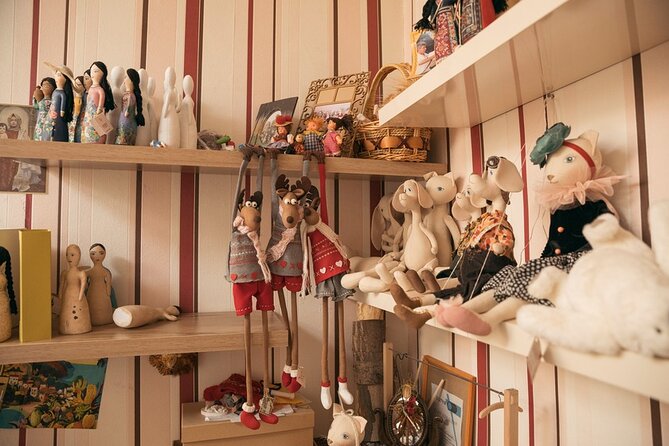
The painting stage is the heart of the workshop. Narine introduces you to techniques connected with Armenian miniature painting, then guides your hand as you add color to the doll.
Do not expect a formal art-school class with a long lecture. The value is practical. You learn through the act of painting, with Narine offering directions as the design takes shape. The calm, step-by-step approach is useful for beginners and still gives more experienced makers room to make personal choices.
Armenian miniature painting is known for careful detail and decorative patterning. In this workshop, you get a manageable way to work with those ideas. You can pay attention to repeated ornaments, strong blocks of color, and small accents that make a costume recognizable.
You choose the colors. That freedom is one of the best parts of the experience. You may stay close to the traditional palette connected with your chosen taraz, or you may create a doll that feels more playful and modern. Neither approach is presented as the only correct one.
I would recommend starting with the main clothing areas before worrying about the tiniest details. Build the broad color pattern first, then add ornaments and accents. Narine’s guidance should help you judge how much detail the small surface can hold.
The painting can be relaxing, but it does require focus. Paint may need time to dry, and small lines are easier when you slow down. The light music, coffee, tea, and snacks help keep the mood easy rather than exam-like. You are there to learn and make, not to prove that you are an artist.
Same country, a completely different kind of day out:
- Yerevan: Garni, Geghard, Symphony of Stones & Lavash Baking
★ 5.0 · 589 reviews - Group Tour: Tsaghkadzor (Kecharis, Ropeway), Lake Sevan, Trout barbecue treat
★ 5.0 · 511 reviews - Group Tour: Khor Virap, Noravank, Tatev monasteries (wayback on Ropeway)
★ 5.0 · 506 reviews - From Yerevan:Sevan, Dilijan, Haghartsin, Goshavank, Lake Parz
★ 4.5 · 454 reviews
Making accessories while the paint dries
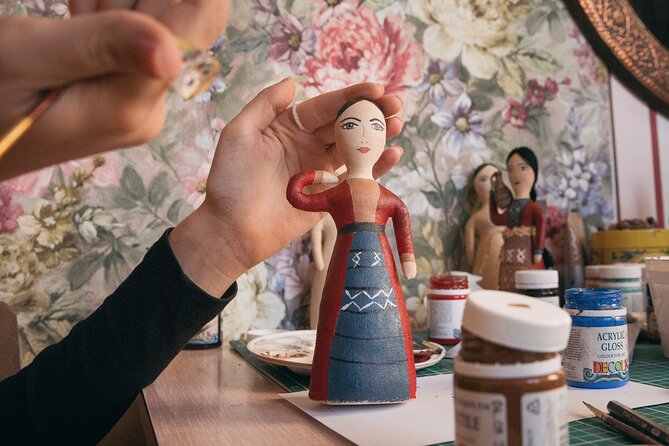
The workshop does not end when the main colors are on the doll. While your painting dries, you and Narine create accessories to complete the outfit.
The options include belts, hats, jewelry, tools, and more. These small pieces matter because they give the doll a stronger identity. A belt can define the costume. A hat can change the silhouette. Jewelry can add a bright detail, while a tool can suggest a role or daily activity.
This is also a smart use of waiting time. Rather than sitting around for paint to dry, you continue making. The two-hour schedule feels more useful because the activity has several stages, each with its own purpose.
Accessories offer another chance to personalize the doll. You can keep them close to the selected taraz or add your own idea. If your costume design is already detailed, a simple accessory may provide balance. If the painted clothing is restrained, a stronger belt or piece of jewelry can add interest.
The finished result is more than a painted figure. It becomes a small character assembled from your choices: costume, color, pattern, and accessories. That personal element is what gives the souvenir staying power.
The mood and pace of the workshop
The setting described for the session is calm and relaxed, with light music, coffee, tea, and snacks. That atmosphere fits the work. Painting a small doll is not a good activity for someone who wants to rush from one sight to the next.
Narine’s teaching style is another strong point. She offers careful, step-by-step instruction, which takes pressure off you during the sketching and painting. The experience is still hands-on, though. You make the decisions and do the decorating yourself.
A private group also changes the tone. You can ask for help with a difficult pattern, pause to compare costume ideas, or spend more time on an accessory. There is no larger class competing for the instructor’s attention.
The pace may suit you best if you enjoy quiet creative work. Children and adults can participate, since most people can take part, but the supplied information does not set a specific age range. For a young child, an adult may need to provide extra help with small details. That is a practical point to consider before booking a family session.
English is offered, so you can discuss the costume and painting process without relying on translation. The workshop is also private, which makes it easier to keep the instruction focused on your group.
What the $26 price includes in value
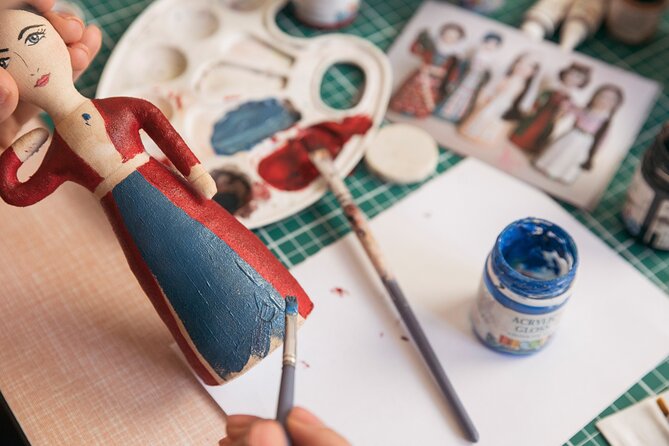
At $26 per person, this is priced like a modest creative activity, not a luxury art course. The value comes from several parts working together: the private instruction, access to the costume collection, the painted doll, the accessory-making, and the cultural context around Armenian dress.
You are also paying for time with a local professional doll maker. That is different from purchasing a mass-made item. Your final doll may not be perfectly uniform, and that is part of its appeal. Its colors and details show that you made it during a particular afternoon in Gyumri.
The price looks especially fair if you want a souvenir that is both usable and meaningful. A standard trinket takes up little space, but it may tell you little about the place you visited. This doll connects to Armenian costume, miniature painting, and the local maker who led you through the process.
Still, value depends on your interests. If you dislike crafts, the price will not rescue the experience. You will spend about two hours painting and assembling details, so choose it for the activity itself, not just for the object you take home.
The session includes refreshments such as coffee, tea, and snacks according to the experience details. Those are pleasant additions, but I would not treat them as the main reason to book. The real return is the instruction and the custom keepsake.
Who will enjoy this Gyumri activity
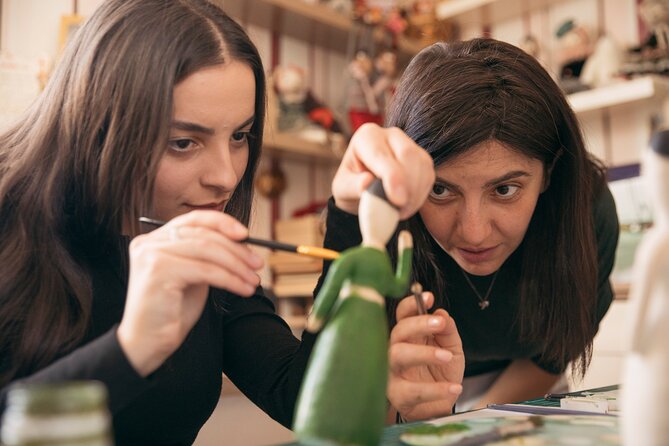
I would recommend this workshop to you if you want a personal souvenir, enjoy art projects, or prefer meeting a local maker to browsing shops. It is also a good fit for a private pair or small group that wants a shared activity with a clear result.
Families may like the simple goal: choose, sketch, paint, and decorate. Couples and siblings can make matching dolls, contrasting regional designs, or completely separate creations. The private format means your group can work at its own pace.
It also suits travelers who have already seen some of Gyumri and want a quieter cultural activity. The workshop gives you a break from walking and a chance to concentrate on one subject.
You may want to skip it if you need a packed sightseeing schedule. Two hours is a meaningful block of time, and the activity ends where it starts rather than moving you through several city attractions. It is also not the right choice if you want an expert demonstration with no participation. You will be expected to sketch, paint, and make accessories yourself.
Practical details before you book
The activity lasts about two hours. Allow yourself enough time to reach Naro Dolls at Gortsaranayin Lane 44a, Gyumri 3101, rather than arriving at the exact start time with no margin.
The workshop is offered in English. A mobile ticket is accepted, and confirmation is provided at booking. It is near public transportation, which should help with local connections, though the exact transit route is not specified.
Most people can participate, but the activity involves drawing, painting, and handling small decorative pieces. If you have a concern about those tasks, ask before booking. The supplied information does not list special accessibility arrangements, so it is best not to assume that every need is covered.
The activity is private, and it returns to the meeting point. That makes it easy to pair with nearby plans before or after, though no transportation beyond the meeting point is included in the details provided.
Cancellation is flexible if you plan ahead. You can receive a full refund by canceling at least 24 hours before the local start time. Cancellations or changes made less than 24 hours before the start are not accepted for a refund.
Should you book Paint Your Own Traditional Doll?
Book it if you want to make something rather than simply buy something. The strongest reasons are Narine’s calm, careful instruction, the chance to choose from Armenian regional taraz costumes, and the freedom to create a doll that follows tradition or takes its own path.
At $26, the workshop offers a good mix of culture, instruction, and a take-home object. I especially like that the experience does not stop at painting. The belts, hats, jewelry, tools, and other accessories help turn a simple plush doll into a small handmade portrait of your time in Gyumri.
Skip it only if your schedule is too tight for two quiet hours or if hands-on crafts do not appeal to you. For everyone else, this is a practical way to meet a local artist, learn about Armenian dress, and bring home a souvenir with your fingerprints on it.
FAQ
Where does the doll-painting workshop begin?
It begins at Naro Dolls, Gortsaranayin Lane 44a, Gyumri 3101, Armenia.
Where does the activity end?
The activity ends back at the meeting point at Naro Dolls.
How long does the experience last?
The workshop lasts approximately two hours.
Is the workshop offered in English?
Yes. The activity is offered in English.
Is this a private activity?
Yes. Only your group participates in the activity.
What will I do during the workshop?
You will choose a traditional Armenian taraz costume, sketch it onto a blank plush doll, select colors, paint the doll with guidance from Narine, and make accessories such as belts, hats, jewelry, or tools.
What is the cancellation policy?
You can cancel at least 24 hours before the local start time for a full refund. Cancellations or changes made less than 24 hours before the start are not accepted for a refund.
Just added around Armenia
- Private tour to Khor Virap, Areni winery, Noravank, Selim pass, Hayravank★ 5.0 · 3 reviews
- Private tour to Gyumri, Dzitoghtsyan Museum, Black Fortress★ 5.0 · 3 reviews
- Private Tour: Tsaghkadzor, Ropeway, Kecharis Monastery, Sevan Lake, Sevanavank★ 5.0 · 3 reviews
- Private tour to Garni, Geghard, Sevan (Sevanavank), Dilijan (Haghartsin)★ 5.0 · 3 reviews
- Private Tour: Lake Sevan, Sevanavank★ 4.5 · 3 reviews
- Tsitsernakaber-Hripsime-Echmiatsin-Noy brandy factory★ 4.5 · 3 reviews
- Secret Spots Of Armenia Day Private Tour★ 5.0 · 3 reviews
- Day Trip to Tatev Monastery★ 4.5 · 3 reviews